Optimal Timing for Channel Drain Installations
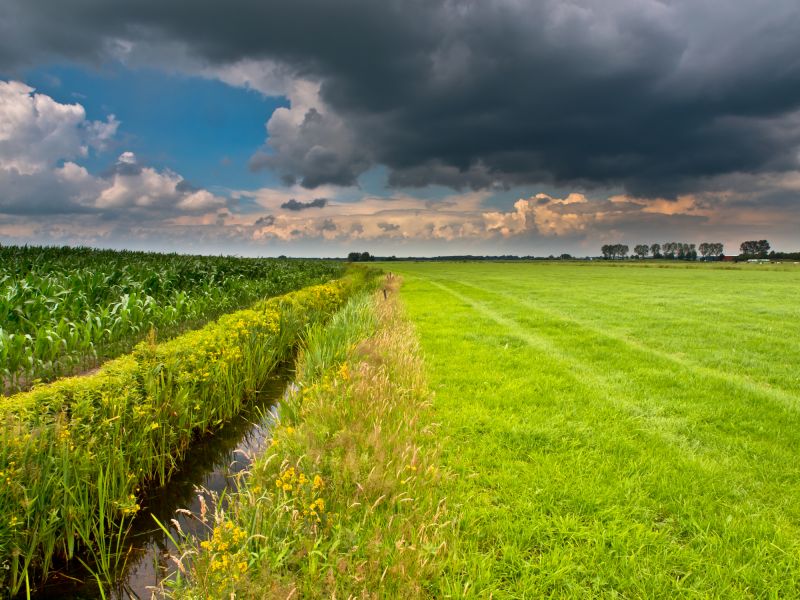
Spring and early summer are optimal for installations due to favorable weather conditions.
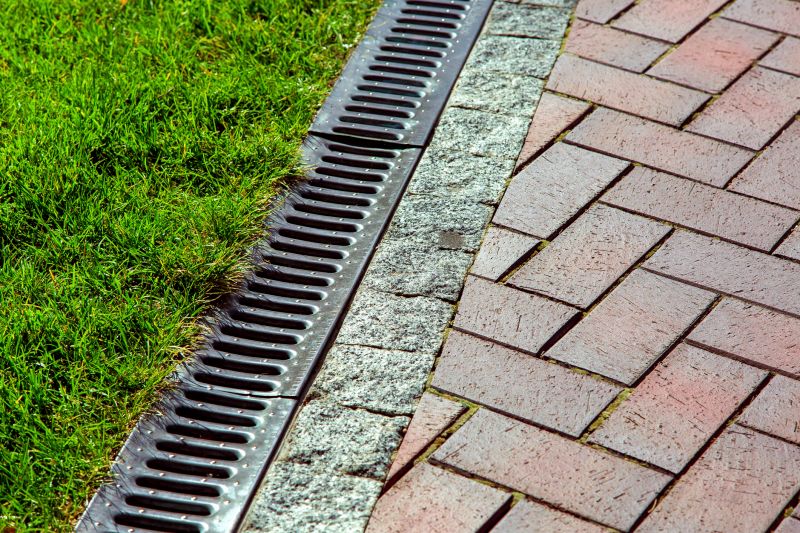
Late summer and early fall provide dry conditions that facilitate proper installation and curing.
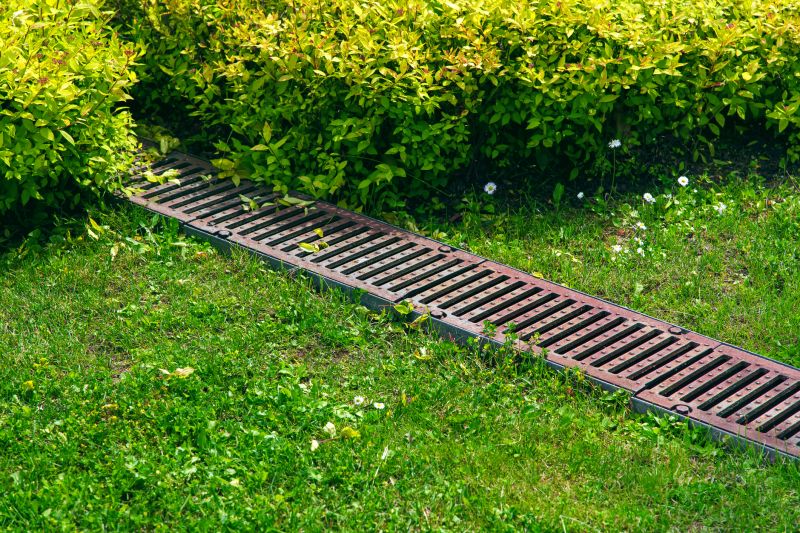
Late fall and winter are less suitable because of increased precipitation and colder temperatures.
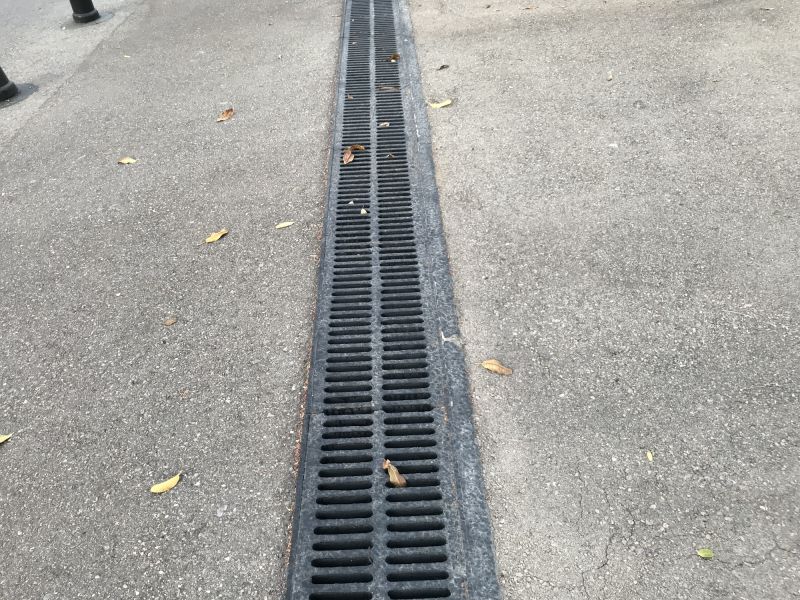
Ways to make Channel Drain Installations work in tight or awkward layouts.
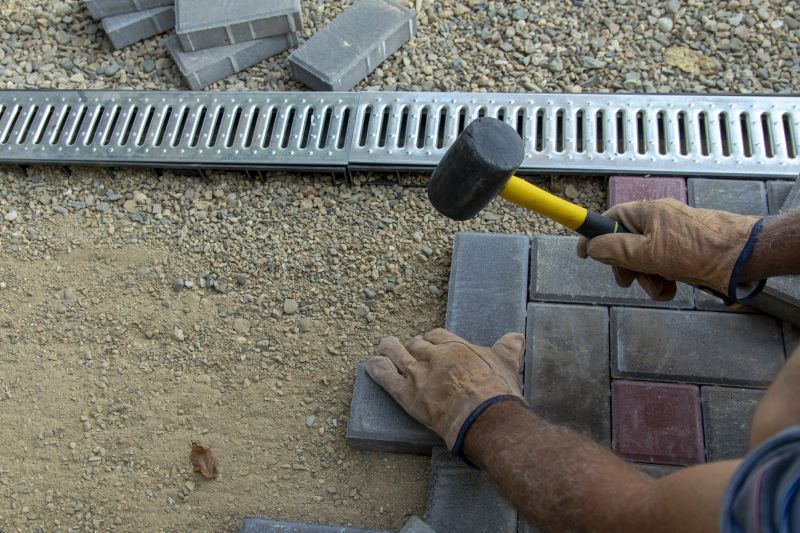
Popular materials for Channel Drain Installations and why they hold up over time.
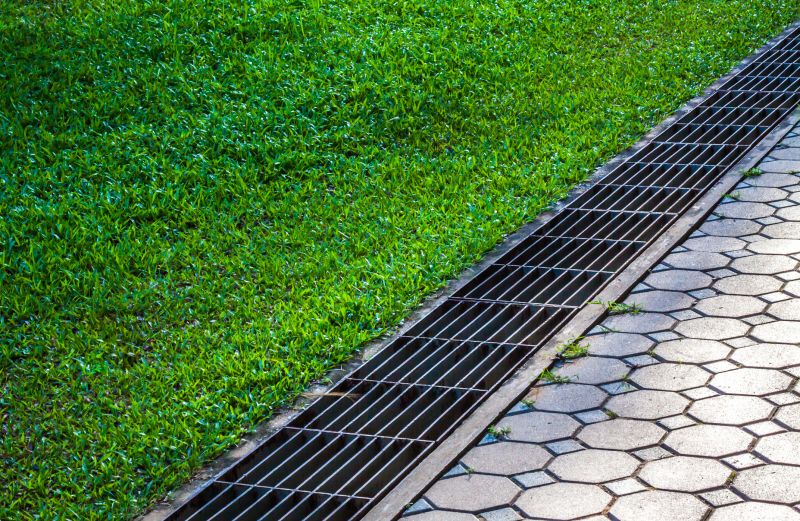
Simple add-ons that improve Channel Drain Installations without blowing the budget.
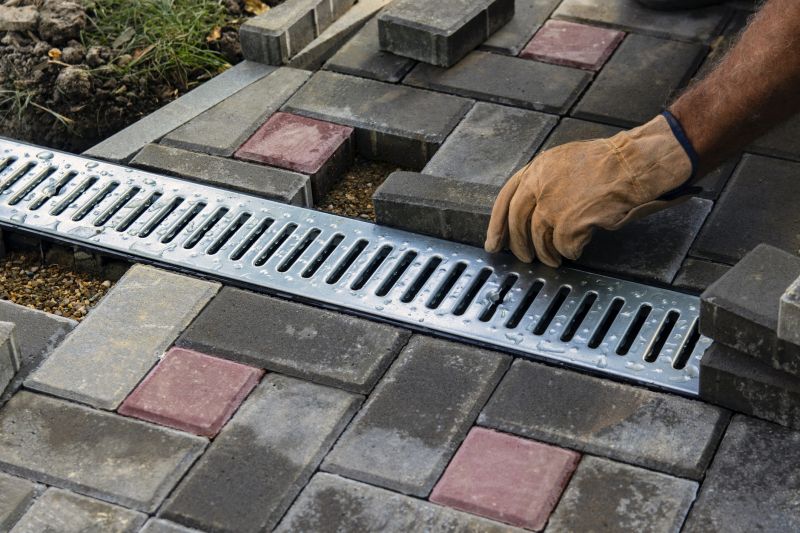
High-end options that actually feel worth it for Channel Drain Installations.
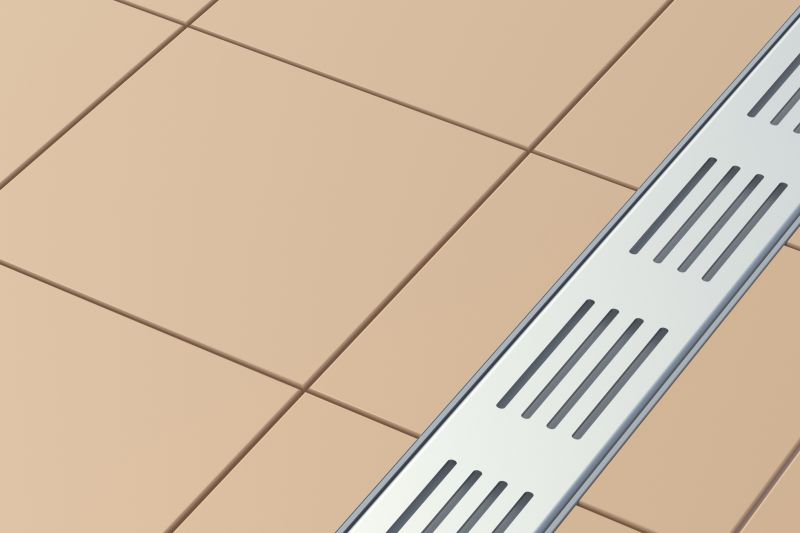
Finishes and colors that play nicely with Channel Drain Installations.
Channel drain installations are essential for efficient water management around properties, preventing flooding and water damage. Proper timing ensures optimal results, reduces delays, and minimizes disruptions. Weather conditions significantly influence installation quality, with dry, stable periods being most advantageous.
Statistics indicate that over 70% of installations occur during spring and summer months, aligning with favorable weather patterns. Planning installations during these periods can lead to shorter project durations and better long-term performance of drainage systems.
Avoid installation during heavy rain or freezing temperatures to ensure proper setting and durability.
Dry soil provides better stability for the drainage system and reduces the risk of shifting or settling.
Optimal curing occurs in warm, dry conditions, which are typical in late spring and early summer.
Scheduling during periods of low precipitation minimizes delays and ensures quality work.
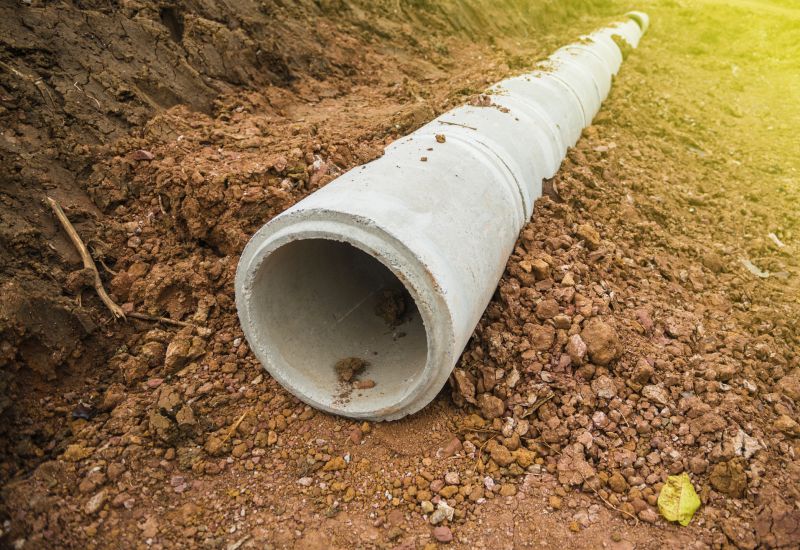
Little measurements that prevent headaches on Channel Drain Installations day.
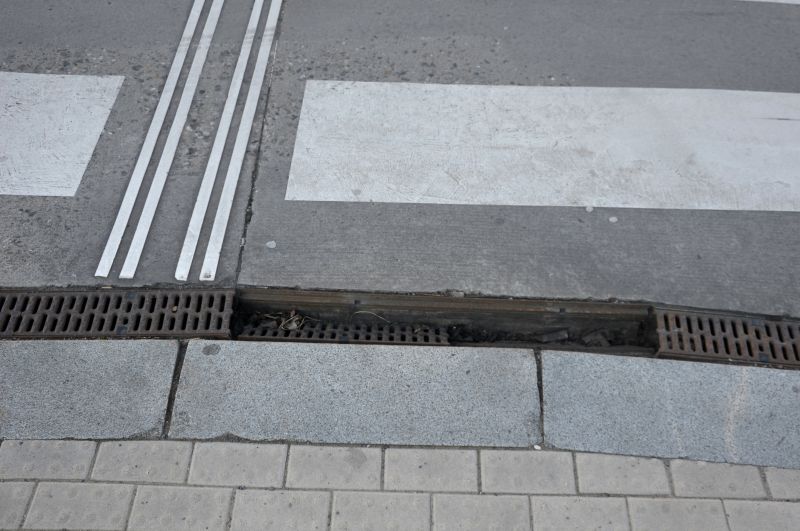
A 60-second routine that keeps Channel Drain Installations looking new.
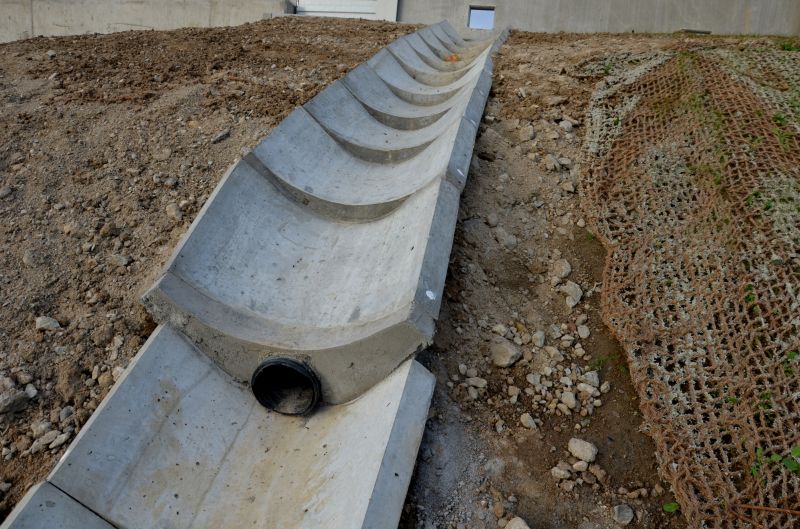
A frequent mistake in Channel Drain Installations and how to dodge it.
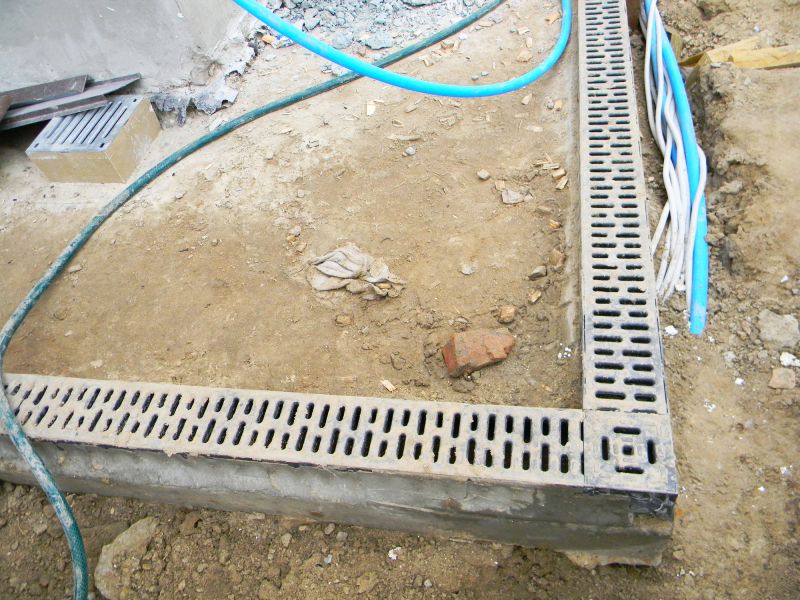
Small tweaks to make Channel Drain Installations safer and easier to use.
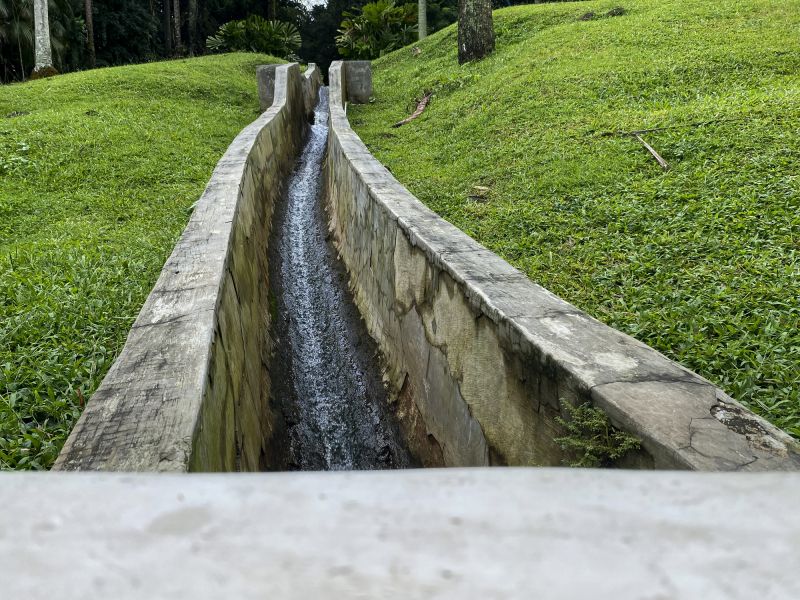
Lower-waste or water-saving choices for Channel Drain Installations.
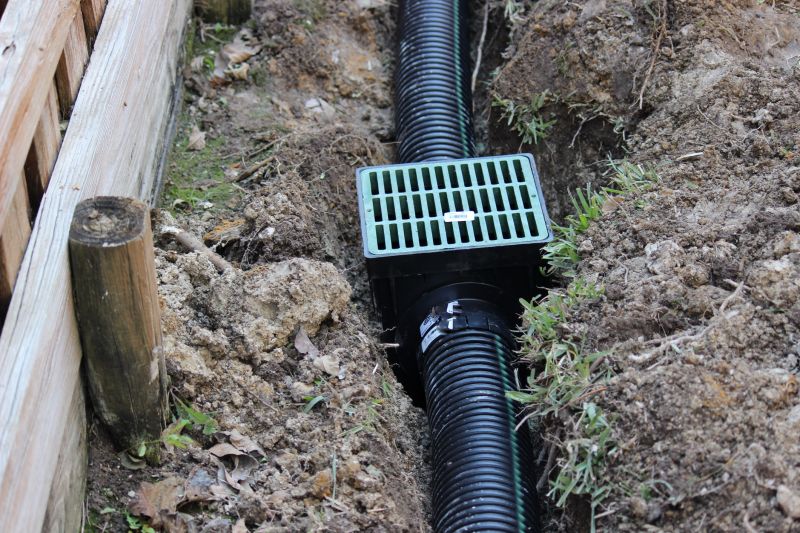
The short, realistic tool list for quality Channel Drain Installations.
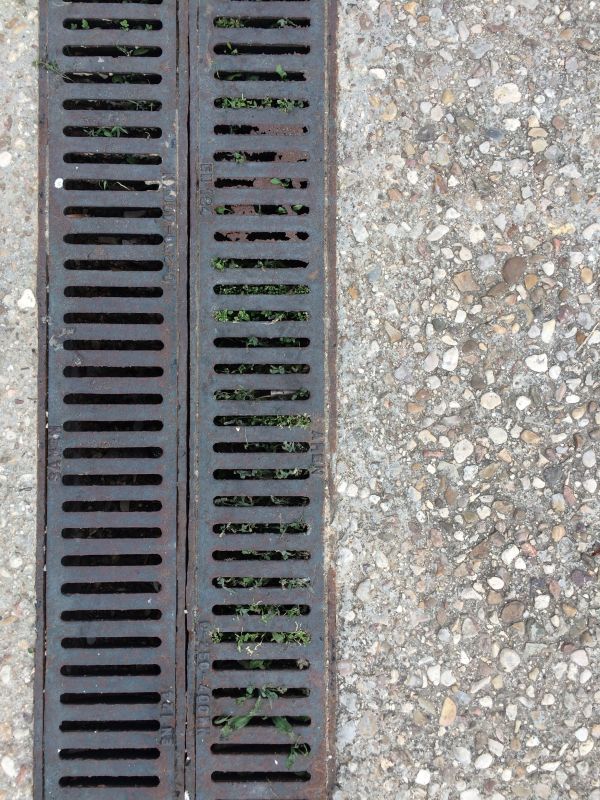
Rough timing from prep to clean-up for Channel Drain Installations.
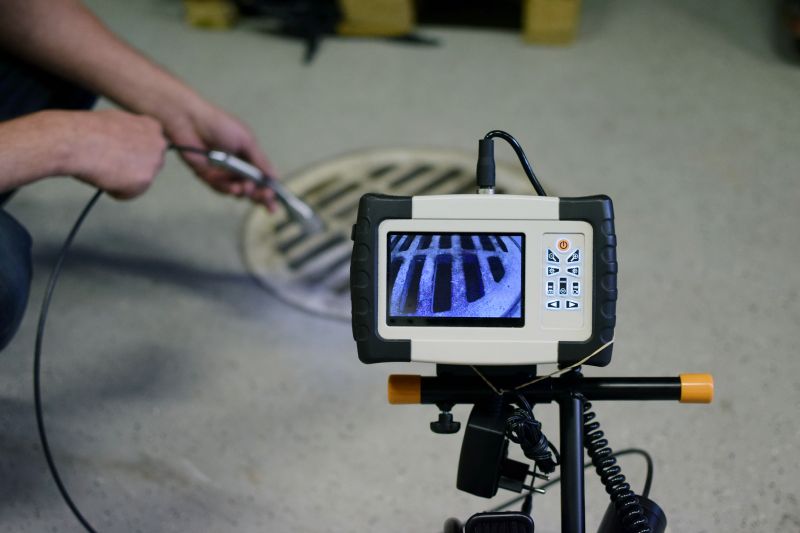
Quick checks and paperwork to keep after Channel Drain Installations.
| Factor | Ideal Conditions |
|---|---|
| Weather | Dry, mild temperatures |
| Soil Moisture | Low moisture content |
| Temperature | Above freezing, below extreme heat |
| Precipitation | Minimal or no rain forecasted |
| Project Timeline | Spring or early summer |
| Material Curing | Warm, dry conditions |
| Site Accessibility | Clear of snow and ice |
| Work Duration | Longer daylight hours |
Selecting the appropriate time for channel drain installations enhances system performance and longevity. Proper planning around weather and soil conditions reduces the risk of issues such as shifting, improper sealing, or incomplete curing. Effective scheduling ensures the drainage system functions as intended, providing reliable water management.
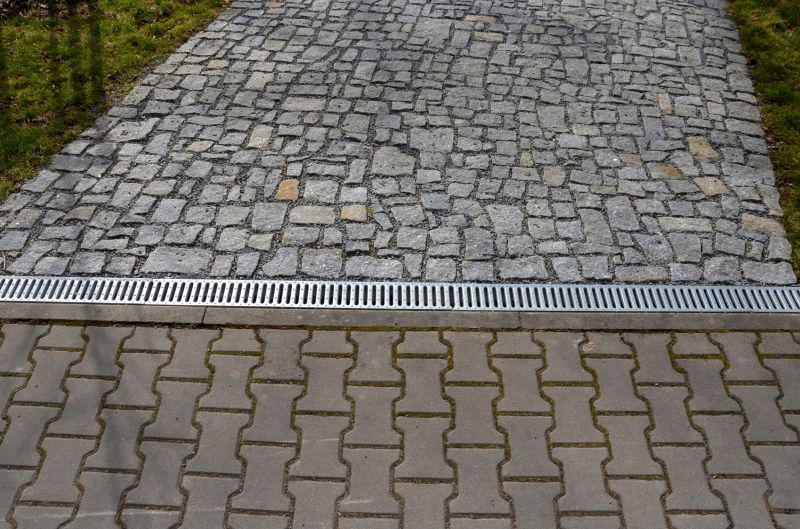
Examples that show the impact a good Channel Drain Installations can make.
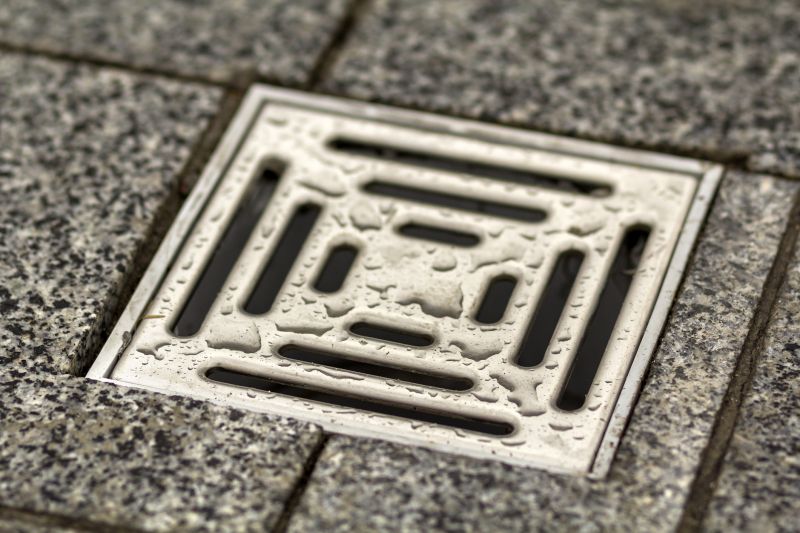
Ways to make Channel Drain Installations work in tight or awkward layouts.
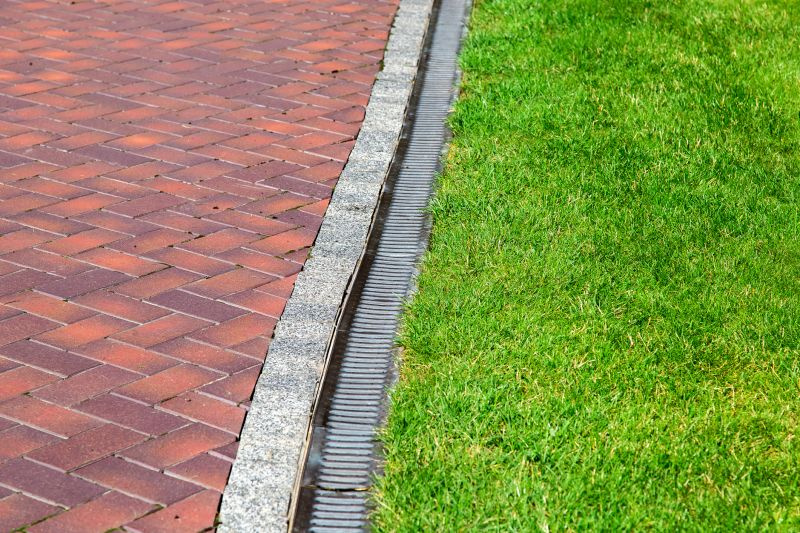
Ways to make Channel Drain Installations work in tight or awkward layouts.
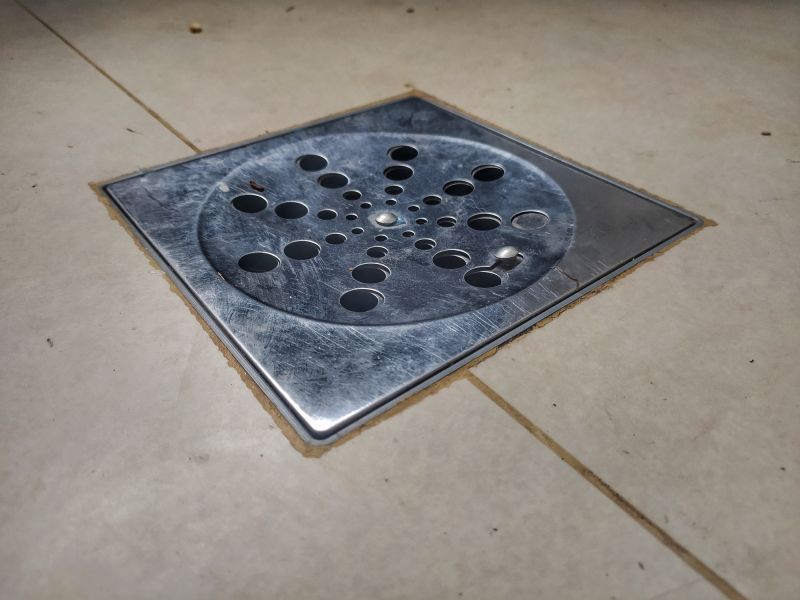
Ways to make Channel Drain Installations work in tight or awkward layouts.
Interested in scheduling a channel drain installation? Filling out the contact form provides an easy way to initiate the process and receive additional information tailored to specific project needs.