Get Basement Drainage Installation
Basement drainage installation services help property owners prevent water damage and flooding by installing effective drainage systems during renovation or new construction projects.
Basement drainage installation is a practical solution for property owners looking to protect their homes from water intrusion and reduce the risk of flooding. Properly installed drainage systems can help manage excess groundwater, prevent foundation damage, and improve overall indoor comfort. If you’re considering this type of work, you’re in the right place to explore your options and find experienced local contractors who specialize in basement drainage solutions.
Comparing different service providers in the area can ensure you find the right approach for your property’s unique needs. Local contractors bring valuable knowledge of the area’s soil conditions and weather patterns, which can influence the most effective drainage strategies. Keep reading to learn more about how professional basement drainage installation can help safeguard your property and enhance its long-term durability.
- Basement waterproofing - when a basement shows signs of water intrusion or dampness after heavy rain.
- Drainage system installation - for homes experiencing persistent flooding or poor water runoff around the foundation.
- Sump pump setup - in cases where basement flooding occurs frequently during storms or seasonal changes.
- Foundation drainage improvements - when existing drainage systems are inadequate or clogged, leading to water buildup.
- Egress window drainage solutions - to prevent water pooling around basement egress windows during heavy precipitation.
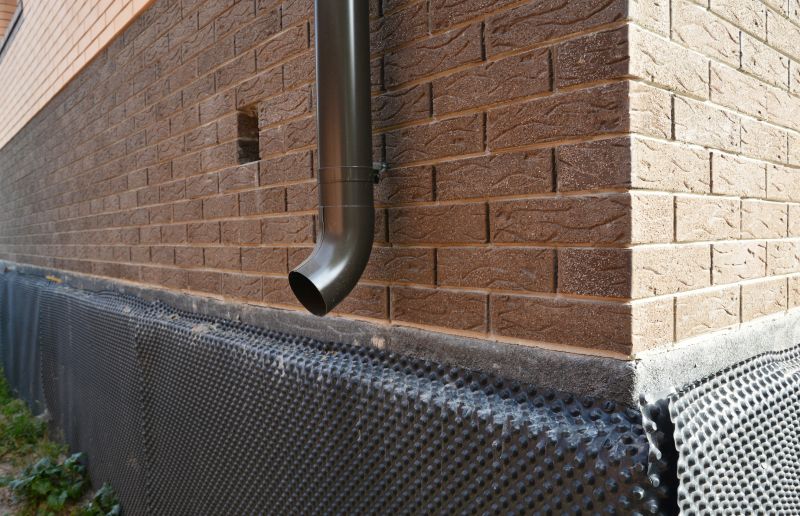
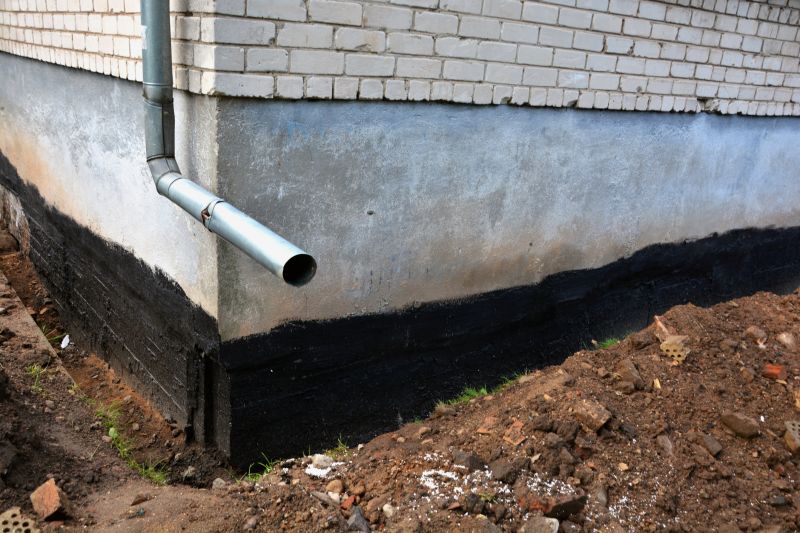
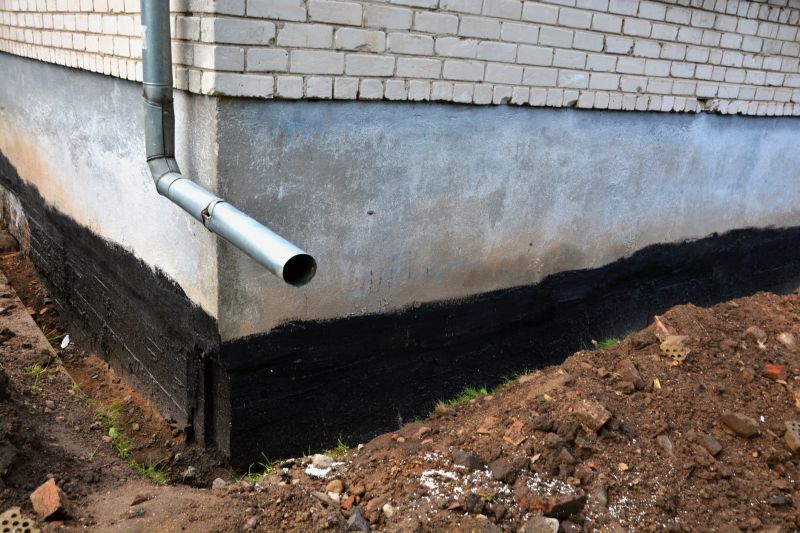
Basement drainage installation involves setting up a system to manage excess water around a property's foundation. This service typically includes installing drains, sump pumps, and waterproof barriers designed to direct water away from the basement area. Proper drainage helps prevent water from seeping through foundation walls or floors, reducing the risk of moisture buildup inside the basement. Local contractors specializing in basement drainage can assess the property's specific needs and recommend the most effective solutions to keep basements dry and protected.
Many common problems can be addressed through professional basement drainage installation. These include persistent basement flooding after heavy rains, water seepage through foundation cracks, or dampness and mold growth caused by excess moisture. Poorly draining properties often experience foundation damage over time, which can lead to costly repairs. By installing an effective drainage system, homeowners can minimize these issues, safeguard their property’s structural integrity, and improve indoor air quality by reducing excess humidity.
Basement drainage services are frequently used in residential properties, especially those situated in areas prone to heavy rainfall or with high water tables. Homes built on sloped land or with inadequate existing drainage are also good candidates for these systems. Additionally, properties with basements that have experienced previous water issues or show signs of dampness benefit from professional drainage solutions. Whether a property is new construction or an older home needing updates, local service providers can tailor drainage systems to suit different property types and ensure long-term dryness.
Choosing to install a basement drainage system can be a practical step for homeowners looking to protect their investment and maintain a comfortable living environment. When signs of water intrusion, dampness, or mold become apparent, or if property surveys indicate drainage problems, consulting local contractors for an assessment can be a wise move. These professionals can evaluate the property's unique conditions and recommend appropriate drainage solutions that help prevent future water-related issues, providing peace of mind and added property value.
The overview below groups typical Basement Drainage Installation projects into broad ranges so you can see how smaller, mid-sized, and larger jobs often compare in your area.
In many markets, a large share of routine jobs stays in the lower and middle ranges, while only a smaller percentage of projects moves into the highest bands when the work is more complex or site conditions are harder than average.
Smaller Repairs - Minor drainage fixes or sealing around existing systems typically cost between $250 and $600. Many routine jobs fall within this range, especially for straightforward repairs or maintenance tasks.
Standard Drainage Installation - Installing basic basement drainage systems usually ranges from $1,500 to $3,500. Most local contractors can complete these projects within this band, depending on the size of the basement and soil conditions.
Full Drainage System Replacement - Replacing an entire basement drainage system can cost between $4,000 and $8,000. Larger, more complex projects or those requiring extensive excavation tend to push costs toward the higher end of this range.
Major Waterproofing Projects - Extensive waterproofing and drainage solutions for large or heavily affected basements can reach $10,000 or more. Fewer projects fall into this highest tier, often involving significant structural work or custom systems.
Actual totals will depend on details like access to the work area, the scope of the project, and the materials selected, so use these as general starting points rather than exact figures.
Foundation Waterproofing - involves similar planning and skills to prevent water intrusion, often requiring drainage solutions around the foundation.
Crawl Space Drainage - focuses on managing excess moisture and water in crawl spaces, utilizing comparable drainage systems and installation techniques.
Landscape Drainage Systems - includes installing drains to redirect surface and groundwater away from structures, sharing tools and planning methods with basement drainage projects.
Sump Pump Installation - involves installing systems to remove accumulated water, often coordinated with basement drainage to keep areas dry.
Retaining Wall Drainage - requires drainage planning and waterproofing to prevent water buildup behind retaining structures, similar to basement drainage needs.
Stormwater Management Systems - encompasses designing and installing systems to control runoff, employing skills applicable to basement water control solutions.
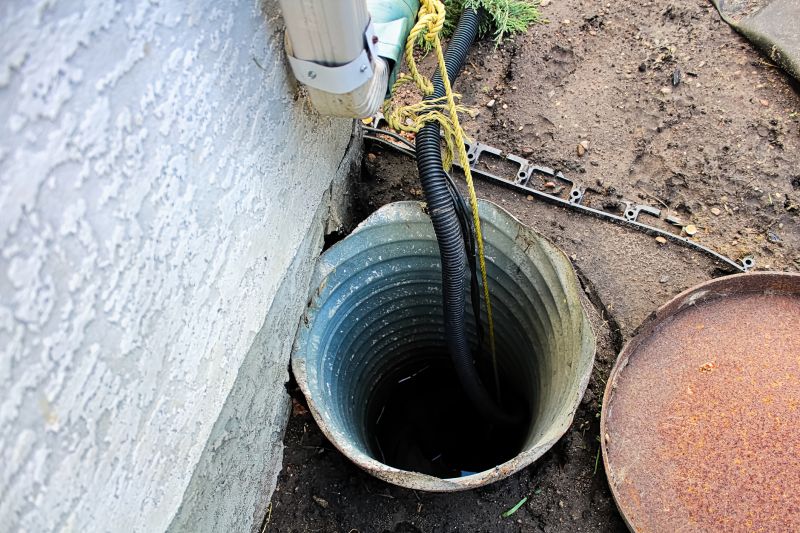
When comparing local contractors for basement drainage installation, it’s important to consider their experience with similar projects. Homeowners should look for service providers who have a proven track record of handling basement drainage systems comparable to the scope and complexity of their own needs. An experienced contractor will be familiar with the common challenges and solutions specific to basement waterproofing and drainage, which can help ensure the work is performed effectively and efficiently.
Clear, written expectations are also essential when evaluating potential service providers. Homeowners should seek out contractors who can provide detailed descriptions of their proposed work, including the methods they plan to use and the materials involved. This transparency helps prevent misunderstandings and ensures that everyone has a shared understanding of what the project entails, making it easier to compare options and make an informed decision.
Reputable references and good communication are key indicators of a trustworthy contractor. Homeowners can ask for references from previous clients who had similar work done and follow up to learn about their experiences. Additionally, service providers who communicate clearly and promptly can make the process smoother and more transparent. While this site introduces homeowners to local options, it does not perform the work itself, so assessing these qualities can help identify local contractors who are well-qualified and reliable for basement drainage installation.
Property owners use Basement Drainage Installation services for practical projects around their homes and businesses. This guide focuses on everyday jobs and straightforward project options.
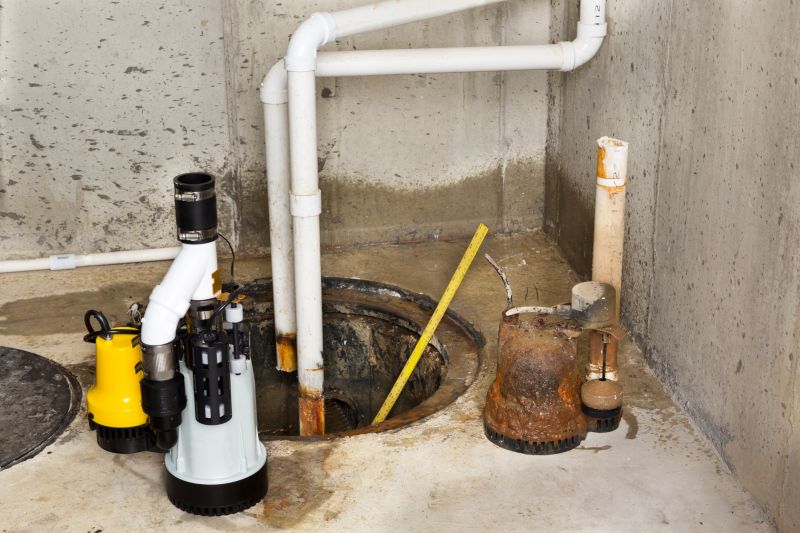
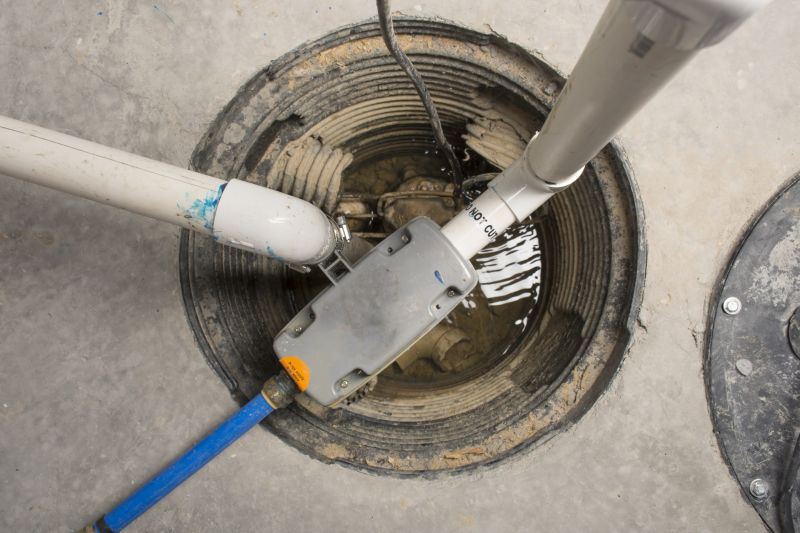
Basement drainage installation is often needed when property owners notice persistent dampness, water pooling, or leaks in their basement areas. These issues can arise after heavy rains or as a result of poor existing drainage systems. Local contractors who specialize in basement drainage can assess the situation, identify potential problem spots, and recommend solutions to help keep basements dry and protected from water intrusion.
Homeowners may seek basement drainage services to prevent structural damage or mold growth caused by excess moisture. Sometimes, upgrading or installing new drainage systems becomes necessary during renovations or when preparing a property for sale. Local service providers are equipped to handle a variety of drainage projects, ensuring that the basement remains dry and functional for everyday use.
What is basement drainage installation? Basement drainage installation involves setting up systems that direct excess water away from a basement to prevent flooding and water damage.
Why is proper drainage important for basements? Proper drainage helps prevent water accumulation, which can lead to mold, structural issues, and costly repairs over time.
What types of drainage systems are available for basements? Common options include interior perimeter drains, exterior waterproofing, sump pumps, and drainage channels designed to suit different basement needs.
How do local contractors determine the best drainage solution? They assess the basement's layout, soil conditions, and water flow patterns to recommend the most effective drainage system for the property.
Can basement drainage systems be integrated with existing foundations? Yes, experienced service providers can design and install drainage solutions that work with existing basement structures to improve water management.
Basement Drainage System Installation - Property owners can improve basement dryness by installing effective drainage systems to prevent water accumulation during heavy rains.
Drainage Troubleshooting and Repairs - Local contractors can identify and fix drainage issues that cause basement flooding or dampness around the foundation.
Foundation Waterproofing Solutions - Homeowners may choose waterproofing services to protect their basement from moisture intrusion and structural damage.
Drainage System Maintenance - Regular maintenance from service providers can help ensure existing drainage systems continue to function properly and prevent future issues.
If you are thinking about Basement Drainage Installation for a property, this guide is meant to help you understand the work, the typical project types, and how different options might fit your plans.
When you are ready, you can use the quote form on this page to share a few details about your project. From there, local pros can review the basics and respond with options that match what you have in mind.